UPSC Journey to Success

Preparing for the UPSC exam is an arduous yet rewarding journey. The Union Public Service Commission (UPSC) exam is considered one of the toughest in India, testing candidates on various subjects and their analytical abilities.
Understanding the Exam Structure
The UPSC exam consists of three stages
1. Prelims
2. Mains
3. The Interview
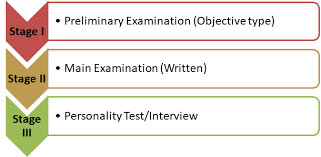
Prelims involve objective-type questions testing general knowledge and aptitude.
Mains is a written exam covering a wide range of subjects. The final stage.
The Interview assesses the candidate's personality and suitability for a career in public service.
Key Subjects to Focus On UPSC
General Studies (Prelims)
Cover diverse topics like history, geography, polity, economics, and current affairs.Optional Subjects (Mains)
Choose subjects wisely, aligning them with your strengths and interests.Essay Writing (Mains)
Enhance your writing skills on socio-economic, political, and philosophical topics.Effective Study Techniques
1. Create a Timetable
Plan a realistic timetable, allocating time to each subject daily.| Time | What to do? | How and Why |
|---|---|---|
| 5:00 AM | Wake up | Early risers stand a lot to gain! |
| 5:00 – 6:00 AM | Morning routine, tea/green tea, Yoga/light exercise | Early morning exercise helps blood circulation, improves concentration. |
| 6:00 – 6:15 AM | Bath | Helps you shake off the drowsiness. |
| 6:15 – 7:45 AM | Read a newspaper. | Devote some time for this as you will need to make notes. |
| 7:45 – 8:30 AM | Breakfast (+ Reach Coaching class/college) | Have a healthy and filling breakfast (has to keep you going for the day). If you don’t have to travel, use that time for studying. |
| 8:30 – 11:00 AM | Study Time | Start with revising what you learnt the previous day. Then, take up the topics that you feel are most tough for you since your mind is fresh and can absorb a lot. |
| 11:00 – 11:30 AM | Break Time | Take a break to refresh and recharge. |
| 11:30 AM – 1:30 PM | Study Tim | Resume your studies. |
| 1:30 – 2:30 PM | Lunch | Pack in a light lunch. It is better to avoid daytime siesta. |
| 2:30 – 5:00 PM | Study Time | Continue studies. |
| 5:00 – 7:30 PM | Reach home + Tea/Snacks + Refresh (play/gym/chat with people) | Have your tea/coffee. Meet positive people. Play or move around. Hit the gym if you are in the habit. If you are not traveling, all the more time for you to study! |
| 7:30 – 9:00 PM | Study Time | Your last phase of studies for the day. Make sure to take up lighter topics since you would be feeling a bit drained. |
| 9:00 – 9:30 PM | Watch news/discussions | Watch quality news discussions on UPSC-relevant issues. |
| 10:00 – 10:30 PM | Unwind (no TV) | Half an hour before sleep, avoid TV. Don’t think of studies. Relax. Listen to soothing music if you like. Talk to your family or friends. |
| 10:30 – 11:30 PM | Additional Readings | Such as News and Current Affairs |
| 11:30 PM | Hit the bed | Get a nice sleep as you have to be up and ready for the next day! |
2. Regular Revision

Consistent revision is crucial for retaining information. To Boost your study and knowledge Regularly. Effective and consistent revision is the cornerstone of success in UPSC exam preparation. A well-structured revision strategy ensures the retention of vast amounts of information required for the exam. Creating a systematic timetable with dedicated slots for revision, integrating various study aids such as flashcards and mind maps, and actively engaging in recall exercises contribute to reinforcing understanding. Regular practice through mock tests and previous years' question papers aids in assessing one's progress and identifying weak areas for focused attention. Group studies provide valuable perspectives, while rotating subjects keeps study sessions dynamic. Leveraging digital tools for interactive learning and taking healthy breaks maintain focus and prevent burnout. The continuous feedback loop, including mentor guidance and self-assessment, ensures refinement and improvement. In essence, a disciplined and holistic approach to regular revision is indispensable for mastering the diverse subjects and succeeding in the UPSC examination.s
3. Current Affairs

Stay updated with newspapers, magazines, and online sources. Staying informed about current affairs is essential in today's dynamic world, where events shape global, national, and local landscapes. Current affairs encompass a wide range of topics, including politics, economics, environment, science, and technology. Keeping abreast of these developments provides individuals with a nuanced understanding of the world, enabling informed decision-making and fostering an active, engaged citizenry. It is particularly crucial for aspirants preparing for competitive exams like the UPSC, as questions often revolve around contemporary issues. Regularly reading newspapers, following reputable news websites, and engaging in discussions contribute to a well-rounded perspective on current affairs. In an era of rapid change, staying informed not only enhances one's knowledge but also cultivates critical thinking and the ability to navigate the complexities of the modern world.
4. Mock Tests

Practice mock tests for both Prelims and Mains to improve time management. Mock tests play a pivotal role in exam preparation, offering candidates a simulated experience of the actual examination. These practice assessments are designed to replicate the exam environment, allowing individuals to familiarize themselves with the format, question types, and time constraints. Engaging in mock tests provides candidates with an opportunity to assess their knowledge, identify strengths and weaknesses, and refine their exam-taking strategies. Moreover, mock tests help alleviate anxiety by building confidence and reducing the fear of the unknown. They serve as invaluable tools for self-assessment, enabling candidates to gauge their preparedness and make targeted improvements. The feedback obtained from mock tests guides study plans, allowing candidates to focus on areas that require additional attention. In essence, mock tests are an indispensable component of any effective study regimen, contributing significantly to a candidate's overall exam readiness and performance.
Utilize Online Resources
Educational Platforms

Explore online platforms offering UPSC courses and study materials.
Discussion Forums
 Join UPSC preparation forums to engage with aspirants and gain insights.
Video Lectures
 Watch video lectures for complex topics to enhance understanding.
Healthy Lifestyle
Balanced Diet
 Eat nutritious meals to fuel your brain. A balanced diet is a cornerstone of maintaining good health and well-being. It involves consuming a variety of foods that provide the essential nutrients
the body needs to function optimally. A well-balanced diet includes a mix of carbohydrates, proteins, fats, vitamins, and minerals in appropriate proportions. Carbohydrates serve as the primary energy source, while proteins are crucial for
tissue repair and growth. Healthy fats play a role in supporting vital bodily functions. A diverse range of fruits and vegetables ensures the intake of vitamins and minerals necessary for various physiological processes. Striking the right
balance in food choices promotes overall health, supports the immune system, and reduces the risk of chronic diseases. Additionally, maintaining a balanced diet contributes to sustained energy levels, mental clarity, and the maintenance of
a healthy weight. It is essential to tailor dietary choices to individual needs, considering factors such as age, activity level, and specific health requirements. Adopting a balanced diet is a fundamental step towards fostering long-term
health and vitality.
Eat nutritious meals to fuel your brain. A balanced diet is a cornerstone of maintaining good health and well-being. It involves consuming a variety of foods that provide the essential nutrients
the body needs to function optimally. A well-balanced diet includes a mix of carbohydrates, proteins, fats, vitamins, and minerals in appropriate proportions. Carbohydrates serve as the primary energy source, while proteins are crucial for
tissue repair and growth. Healthy fats play a role in supporting vital bodily functions. A diverse range of fruits and vegetables ensures the intake of vitamins and minerals necessary for various physiological processes. Striking the right
balance in food choices promotes overall health, supports the immune system, and reduces the risk of chronic diseases. Additionally, maintaining a balanced diet contributes to sustained energy levels, mental clarity, and the maintenance of
a healthy weight. It is essential to tailor dietary choices to individual needs, considering factors such as age, activity level, and specific health requirements. Adopting a balanced diet is a fundamental step towards fostering long-term
health and vitality.
Adequate Sleep
 Ensure 7-8 hours of sleep for optimum cognitive function. Adequate sleep is a fundamental component of a healthy lifestyle, playing a vital role in overall well-being. Sleep is a dynamic
process during which the body undergoes essential functions such as cellular repair, memory consolidation, and hormone regulation. For optimal health, adults typically require between 7 to 9 hours of quality sleep each night. During sleep,
the body experiences different sleep cycles, including deep sleep and rapid eye movement (REM) sleep, each serving distinct purposes in physical and mental restoration. Sufficient and restful sleep is linked to improved cognitive function,
emotional well-being, and immune system support. Chronic sleep deprivation, on the other hand, can contribute to a range of health issues, including impaired concentration, weakened immune function, and an increased risk of certain chronic
conditions. Establishing healthy sleep habits, such as maintaining a consistent sleep schedule, creating a conducive sleep environment, and managing stress, is crucial for achieving the recommended amount of sleep and reaping the associated
health benefits. Prioritizing and valuing adequate sleep is an essential aspect of maintaining a balanced and thriving lifestyle.
Ensure 7-8 hours of sleep for optimum cognitive function. Adequate sleep is a fundamental component of a healthy lifestyle, playing a vital role in overall well-being. Sleep is a dynamic
process during which the body undergoes essential functions such as cellular repair, memory consolidation, and hormone regulation. For optimal health, adults typically require between 7 to 9 hours of quality sleep each night. During sleep,
the body experiences different sleep cycles, including deep sleep and rapid eye movement (REM) sleep, each serving distinct purposes in physical and mental restoration. Sufficient and restful sleep is linked to improved cognitive function,
emotional well-being, and immune system support. Chronic sleep deprivation, on the other hand, can contribute to a range of health issues, including impaired concentration, weakened immune function, and an increased risk of certain chronic
conditions. Establishing healthy sleep habits, such as maintaining a consistent sleep schedule, creating a conducive sleep environment, and managing stress, is crucial for achieving the recommended amount of sleep and reaping the associated
health benefits. Prioritizing and valuing adequate sleep is an essential aspect of maintaining a balanced and thriving lifestyle.
Physical Exercise
 Incorporate light exercises to maintain overall well-being. ^ Physical exercise is a cornerstone of a healthy lifestyle, offering a multitude of benefits for both the body and mind. Engaging
in regular physical activity is crucial for maintaining optimal physical health, as it contributes to weight management, cardiovascular fitness, and improved muscular strength and flexibility. Beyond the physical aspects, exercise plays a
pivotal role in mental well-being by reducing stress, anxiety, and depression. It promotes the release of endorphins, often referred to as "feel-good" hormones, which contribute to an enhanced mood and overall sense of happiness. Moreover,
regular exercise supports cognitive function and helps prevent chronic conditions such as heart disease, diabetes, and obesity. The versatility of physical activities allows individuals to choose from a wide range of options, including walking,
running, cycling, swimming, and various fitness classes, making it accessible to people of all ages and fitness levels. Whether it's a brisk walk in the park or a rigorous gym session, incorporating regular physical exercise into one's routine
is a powerful and enjoyable way to foster a healthier and more vibrant life.
Incorporate light exercises to maintain overall well-being. ^ Physical exercise is a cornerstone of a healthy lifestyle, offering a multitude of benefits for both the body and mind. Engaging
in regular physical activity is crucial for maintaining optimal physical health, as it contributes to weight management, cardiovascular fitness, and improved muscular strength and flexibility. Beyond the physical aspects, exercise plays a
pivotal role in mental well-being by reducing stress, anxiety, and depression. It promotes the release of endorphins, often referred to as "feel-good" hormones, which contribute to an enhanced mood and overall sense of happiness. Moreover,
regular exercise supports cognitive function and helps prevent chronic conditions such as heart disease, diabetes, and obesity. The versatility of physical activities allows individuals to choose from a wide range of options, including walking,
running, cycling, swimming, and various fitness classes, making it accessible to people of all ages and fitness levels. Whether it's a brisk walk in the park or a rigorous gym session, incorporating regular physical exercise into one's routine
is a powerful and enjoyable way to foster a healthier and more vibrant life.
Overcoming Challenges
Consistency
Be consistent in your efforts, as UPSC preparation is a gradual process.Learn from Failures
Treat setbacks as opportunities to learn and improve.Mental Resilience
Develop a positive mindset to handle stress and pressure.Cracking the UPSC exam requires a combination of dedication, strategic planning, and resilience. Stay focused, adopt effective study techniques, and believe in your capabilities. The journey may be tough, but the sense of accomplishment upon success is unparalleled. Good luck!